
Reef restorationLiving habitat recovery
Rebuilding coral habitat where damaged reefs need help.
Reefs for Life deploys restoration structures, supports coral growth, and monitors recovery with local dive teams.
Our technology
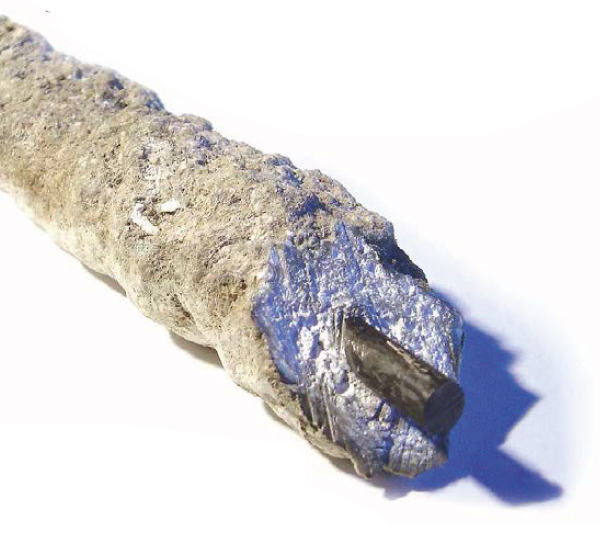
Electro Mineral Accretion helps coral grow on restored structure.
Reefs for Life uses Electro Mineral Accretion technology by applying a safe, low-voltage current through metal frames placed in the ocean.
Minerals naturally present in seawater form calcium carbonate on the structure, creating a strong surface for coral attachment and growth.
The process
From frame to living reef.
1
Build restoration frames
2
Deploy and power the structures
3
Allow minerals to accumulate
4
Attach and monitor coral fragments
Why it works
Restoration succeeds when the reef and the community are both supported.
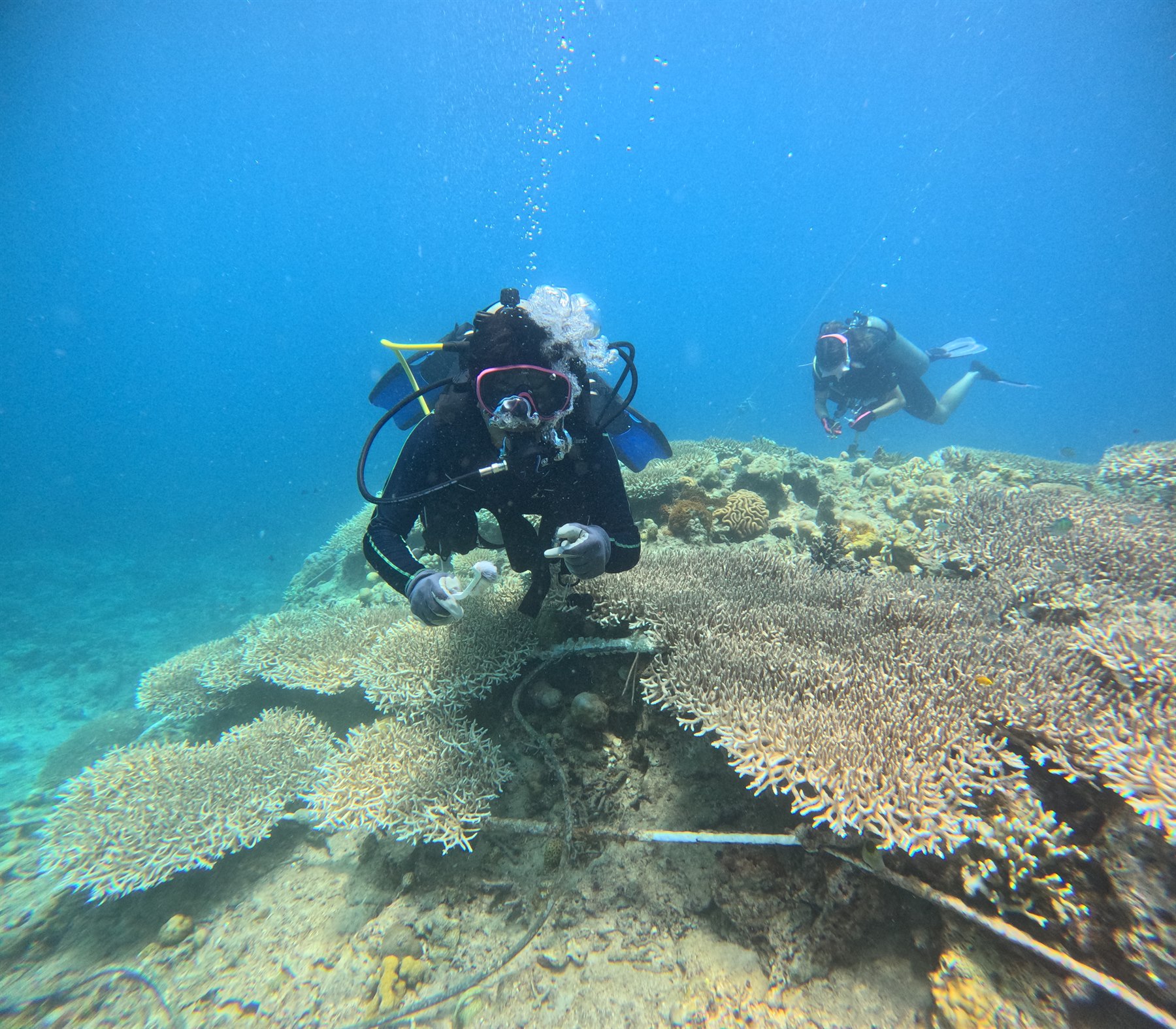
- Restoration structures provide stable surfaces for coral attachment.
- Solar power makes restoration viable in remote communities.
- Local dive teams inspect, maintain, and monitor restoration sites.
- Community protection reduces the pressure that damaged the reef in the first place.
Restoration by the numbers
Active restoration is already underway.
The next step is scaling this work across more protected reef sites and equipping more local teams to maintain them.
Fund restoration